
Habitat & Conservation
|
07/15/2026
Arizona Quail are Coming Back
First-Year Look at the Arizona Quail Initiative
by Brian Rhodes
Related Articles


A little over a year ago, Quail Forever launched the Arizona Quail Initiative with a straightforward premise: set ambitious five-year goals, build the partnerships to meet them, and get to work. Year one delivered.
From the high desert grasslands of southeastern Arizona to the arid stretches of the Colorado River Basin, AQI staff, volunteers and partners logged more than 1,100 acres of habitat treatments, hauled a quarter-million gallons of water to wildlife catchments during the driest months, and helped secure a $24.5 million federal conservation investment that could reshape quail country across the state for decades.
"We have made substantial progress on most of our stated goals in year one," said Scott Poppenburger, Quail Forever's southwest state coordinator. "Receiving the RCPP award provided a hoped-for but never guaranteed infusion of conservation funding to build from."
Five Goals. One Year In.
AQI launched in December 2024 with five-year targets across grassland restoration, water development, water retention, grazing management and access. Here is where the initiative stands heading into year two.
Grassland Restoration (Goal: 30,000 acres)
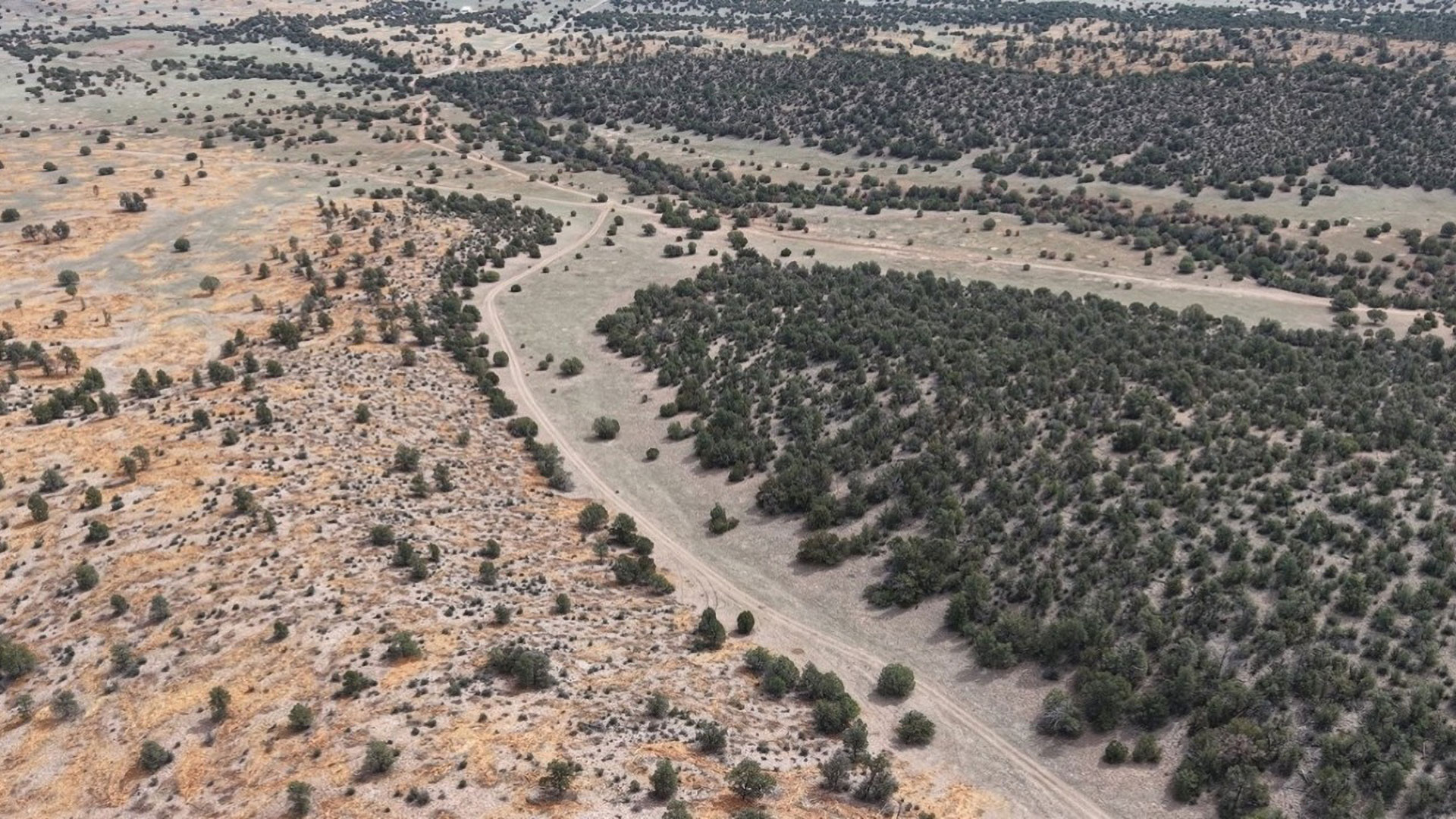
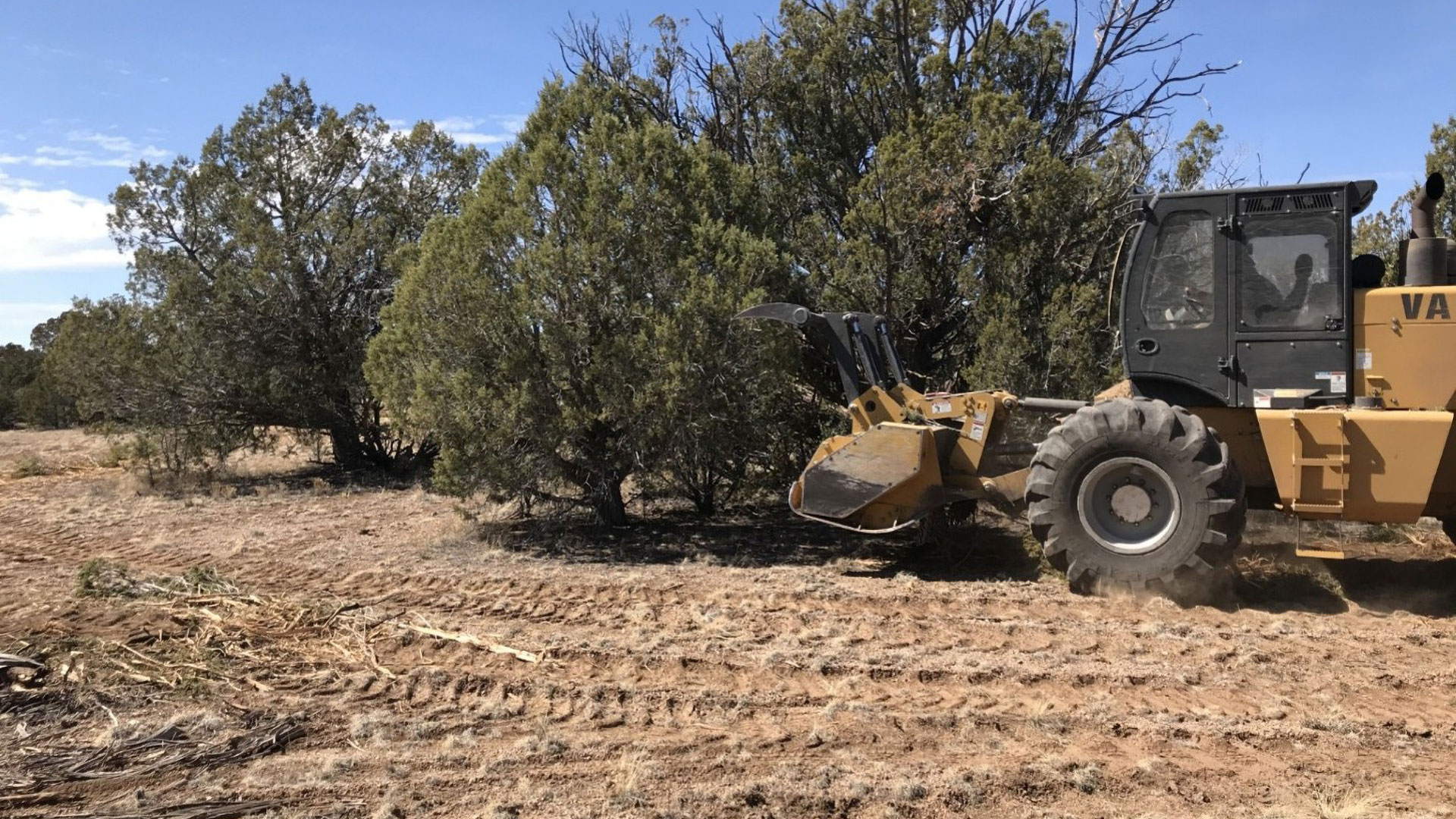
Staff completed approximately 1,100 acres of pinon-juniper mastication and mesquite removal at project areas across the state, with treatments benefiting Mearns', Scaled, and Gambel's quail. Federal planning is complete on another 2,750 acres scheduled for implementation in 2026. To fund the work, AQI staff competed for and secured more than $650,000 in state and federal grants.
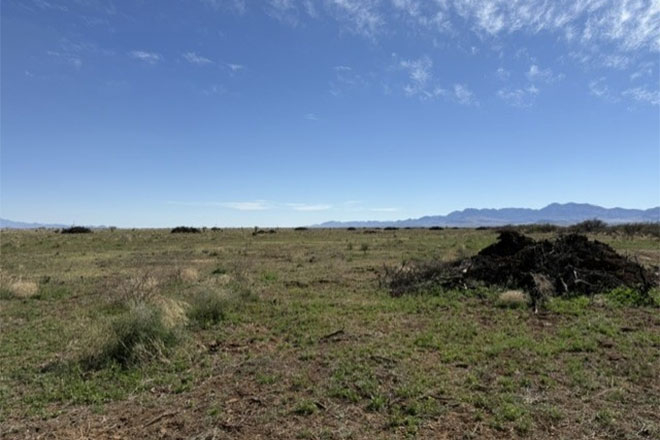
The bigger story in grassland restoration may be what is on the horizon. Quail Forever is the lead partner on a $24.5 million NRCS Regional Conservation Partnership Program Alternative Funding Arrangement (RCPP-AFA) award focused on the Colorado River Basin. Unlike a traditional RCPP, the AFA structure was designed by USDA to move conservation funding to the ground more efficiently through capable partner organizations, with all projects required to meet NRCS standards. Outside funding sources brought in by partners like Quail Forever expand what is possible, allowing the program to reach key habitat beyond what federal dollars alone would cover. The program is voluntary and producer-driven, and the response from landowners has been significant: the first application round closed in January 2026 with 204 proposed projects spanning more than 200,000 acres across four statewide priority areas. Two virtual fence projects alone would impact approximately 35,000 acres of quail habitat. Project ranking and selection proceed through 2026, with implementation beginning at the end of the year or in early 2027.
Poppenburger credits years of organizational groundwork for making that opportunity possible.
"Over many years, PF & QF has established highly effective infrastructure, including grant specialists, accountants, and others, to support the successful delivery of many RCPPs and similar grants. That experience and credibility were essential in being considered for involvement with this opportunity."
Partners on the RCPP include the Arizona Game and Fish Department, the Arizona Association of Conservation Districts, and the Arizona Department of Forestry and Fire Management. While each organization brings a different mission to the table, all are tied to the same fundamental need: properly functioning ecosystems that deliver mutually beneficial outcomes for wildlife, landowners and the land itself.
Water Development (Goal: 100,000 acres)
The Arizona Quail Initiative's Habitat Specialist Team installed more than 250 Ranchbot remote water-level sensors on wildlife water catchments statewide, helping staff monitor system status across vast distances and respond quickly when water runs low. The team also assisted with the construction of three new wildlife catchments in southwestern Arizona and performed maintenance on numerous existing systems.
During the driest stretches of the year, staff hauled more than 250,000 gallons of water to critical catchments. The logistics are significant, and so is the impact.
"Quail certainly benefits from this action, but other species that have much higher water requirements benefit more," Poppenburger said. "This includes over 800 species of wildlife in Arizona."
The Ranchbot sensor network has transformed how staff manage that work. Before the technology, catchments required physical checks to determine water levels, a time-consuming and sometimes dangerous proposition in remote desert terrain during summer heat.
"Now managers can determine in real time if a catchment is in jeopardy of going dry and make a plan to haul water to keep wildlife alive. Remote sensors save time, reduce wear on equipment, and keep both people and wildlife safe. "
Combined with federal planning completed on nine new catchments on the Arizona Strip and expanded water delivery systems on multiple ranches, year-one water work impacted 72,000 acres of habitat.
Water Retention Structures (Goal: 2 Watersheds)
Led by the Southern Arizona Quail Forever Chapter, crews are constructing small rock-dam structures in washes and drainages across one watershed, with work ongoing. These structures slow runoff, retain seasonal moisture, reduce erosion and promote forage production — all of which matter in arid country where quail populations can swing sharply with moisture availability.
Grazing Management (Goal: 100,000 acres)
Through the Arizona RCPP, three virtual fencing project proposals totaling more than 50,000 acres of quail habitat have been submitted. The technology allows producers to manage forage utilization in key nesting areas, helping maintain nesting and brooding cover for Mearns' quail in priority areas. Project selection proceeds on the same timeline as the grassland restoration RCPP work.
Access
Quail Forever secured funding and assumed responsibility for contracting hunting access under the Yuma Dove Plot Program, a long-running effort that delivers dove hunting opportunities to thousands of hunters each year. The program provided access to 10,000 hunters over a 15-day season, contributing to the local economy in Yuma and establishing Quail Forever as an essential partner in delivering a program Arizona hunters count on.
Neighbors Stepping Up
One story from year one captures something essential about how habitat work gets done at scale.
Through the RCPP application process, five neighboring ranchers and landowners submitted projects that, if funded, would restore more than 18,000 acres of Gambel's quail habitat through mastication of encroaching junipers. The project area also serves as a critical pronghorn migration corridor, meaning the conservation benefit extends well beyond quail.
Poppenburger said that kind of participation reflects trust built over time.
"Interest by ranchers in participating with this program has been generated by longstanding, trusted relationships with the RCPP partners in other conservation funding program delivery. So far, landowners are very optimistic about this program, the resource concerns it aims to address and the practices it plans to utilize."
What Year Two Holds
The pace picks up in 2026. RCPP project selection moves forward this spring and summer, with implementation beginning before the year ends. Federal planning completed in year one converts to on-the-ground acres. The water infrastructure network continues to expand.
"We are very excited to get to the implementation phase on the great projects that have been submitted," Poppenburger said.
The habitat work itself targets a clear goal: reducing woody invasive plant encroachment into what was formerly more of a grassland ecosystem, giving quail the vegetation structure they need to thrive during breeding season. If the work holds and the weather cooperates, the results could be visible on the landscape within the five-year window.
"If Mother Nature cooperates with a little rain, we might see noticeably increased quail abundance on the landscape," Poppenburger said.
The initiative's five-year goals remain ambitious, and year one was designed to build the foundation to reach them. The partnerships are in place. The funding mechanisms are active. The work is underway.
To learn more about the Arizona Quail Initiative or support the work, visit AZ Quail Initiative.
Your cart is empty