
Habitat & Conservation
|
07/17/2026
Plant thought to be extirpated from Florida is discovered by Quail Forever Farm Bill Biologist
Swamp Black-Eyed Susan found thriving among bobwhite habitat
by Rachel Holt
Related Articles


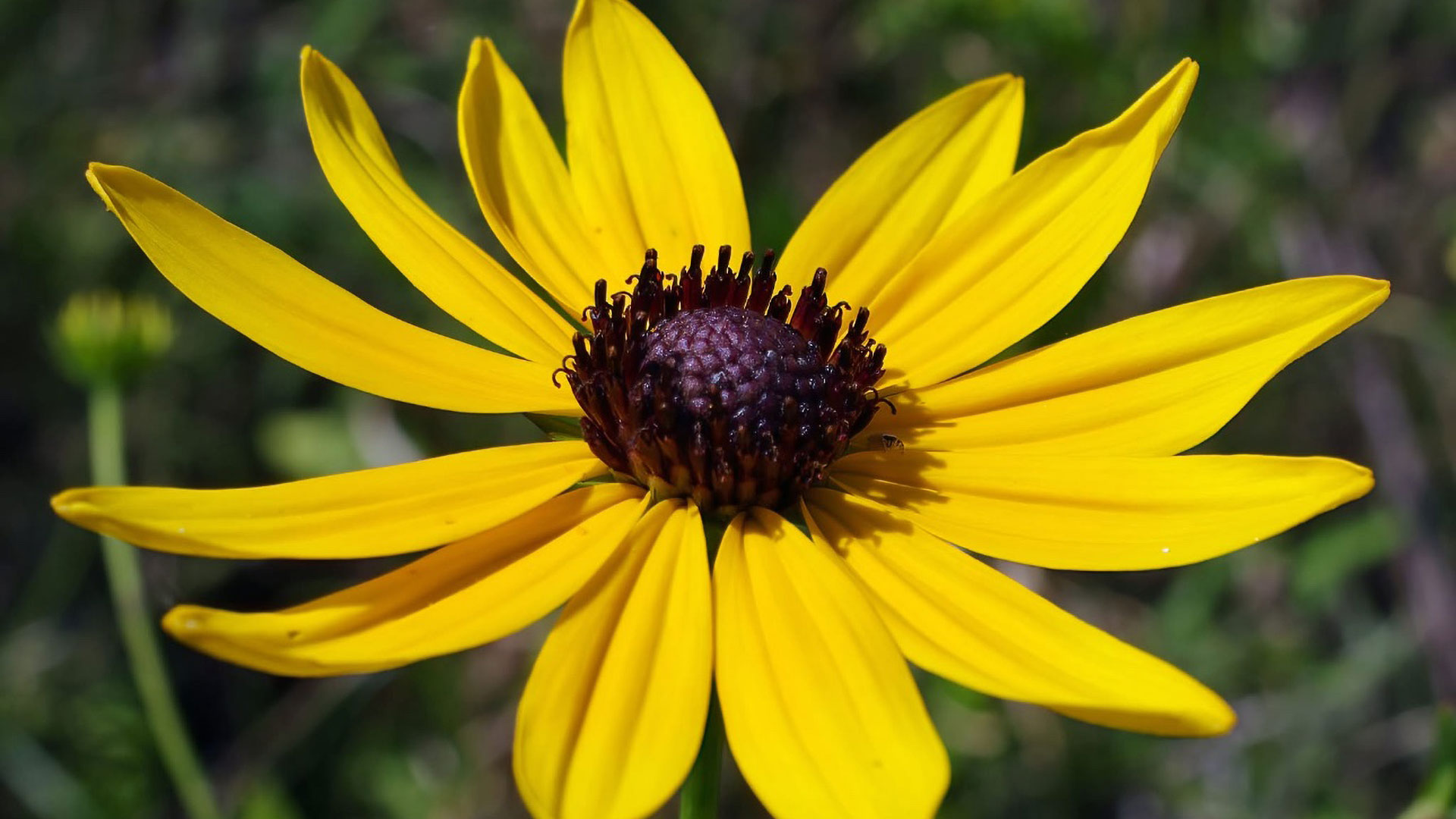
Standing about ten feet tall, its bright yellow blooms tower above the ground like small sunbursts scattered across the ground. This is a Rudbeckia auriculata, commonly known as a swamp black-eyed susan, and it's hard to miss.
But despite its splendor, this plant rarely gets its chance to show off. Especially in Florida, where Nick Reynolds, a Florida Farm Bill biologist, discovered what might be the last remaining location in the entire state.
While conducting vegetative surveys as part of a Working Lands for Wildlife outcomes assessment — a USDA Natural Resource Conservation Service effort that helps landowners restore and manage wildlife habitat on working lands — on private property near Sneads, Florida, Reynolds stumbled upon the towering wildflower and immediately noticed this wasn't just any ordinary plant.
"I had narrowed it down to either a type of Black-eyed Susan or sunflower. But once I started reading about the swamp black-eyed Susan, the height, the habitat and the clasping leaves, everything matched."
With the help of the University of South Florida Herbarium, Reynolds was officially able to identify the plant as R. auriculata. This plant is a wetland-dwelling plant historically documented in parts of the southeast. In Florida, however, the only two populations recorded before Reynolds encountered this one have not been observed in more than 20 years.
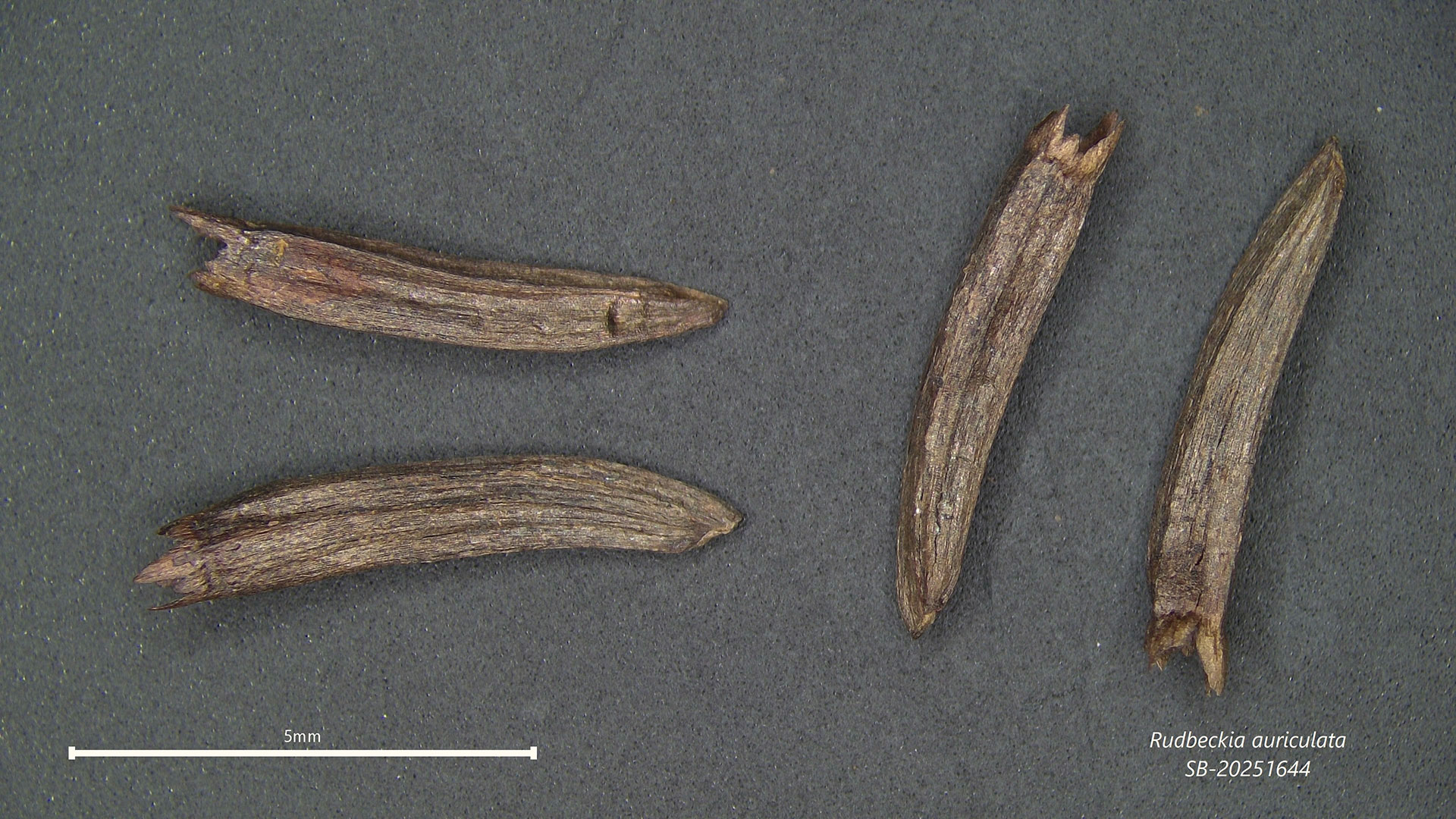
Reynolds discovered the plant in a power line corridor that ran through private property owned by Joe Spooner, whose family has owned and cared for the land since 1958. Spooner's family originally operated a cattle farm on the property before Interstate 10 divided the land in the 1970s, and then power lines were installed, changing how it was managed.
Fortunately, powerline corridors can unintentionally create habitat for native species. Their open canopy allows sunlight to reach the ground, and periodic disturbances from maintenance mowing can spark the growth of native plants from the seed bank, bringing forth a plethora of plant species. In this case, the addition of the corridors' wet conditions, fed by nearby springs, appears to have created an ideal habitat for the swamp black-eyed susan.
R. auriculata reproduces both by seed and underground rhizomes and depends on disturbance to maintain a suitable habitat. Historically, periodic fire likely played an important role in keeping these systems open. Today, however, many remaining populations face threats from herbicide spraying, development, invasive species and fungal infection.
In hopes of preserving the R. auriculata, Reynolds reached out to Kelly Coles, Gulf Coast Program Manager with the Atlanta Botanical Garden.
Over the past three years, Coles has surveyed populations of the plant across Alabama, Georgia , and Florida, often finding the species in decline. Of the 21 documented Alabama populations she visited, only five still contained observable plants.
"80 percent of the populations that we went to either just weren't doing very well in the year that we visited them, or they've been wiped out."
The Florida population, by contrast, is thriving.
Thousands of flowering stems stretch across the powerline corridor, creating what Coles describes as the most robust population she has ever seen.
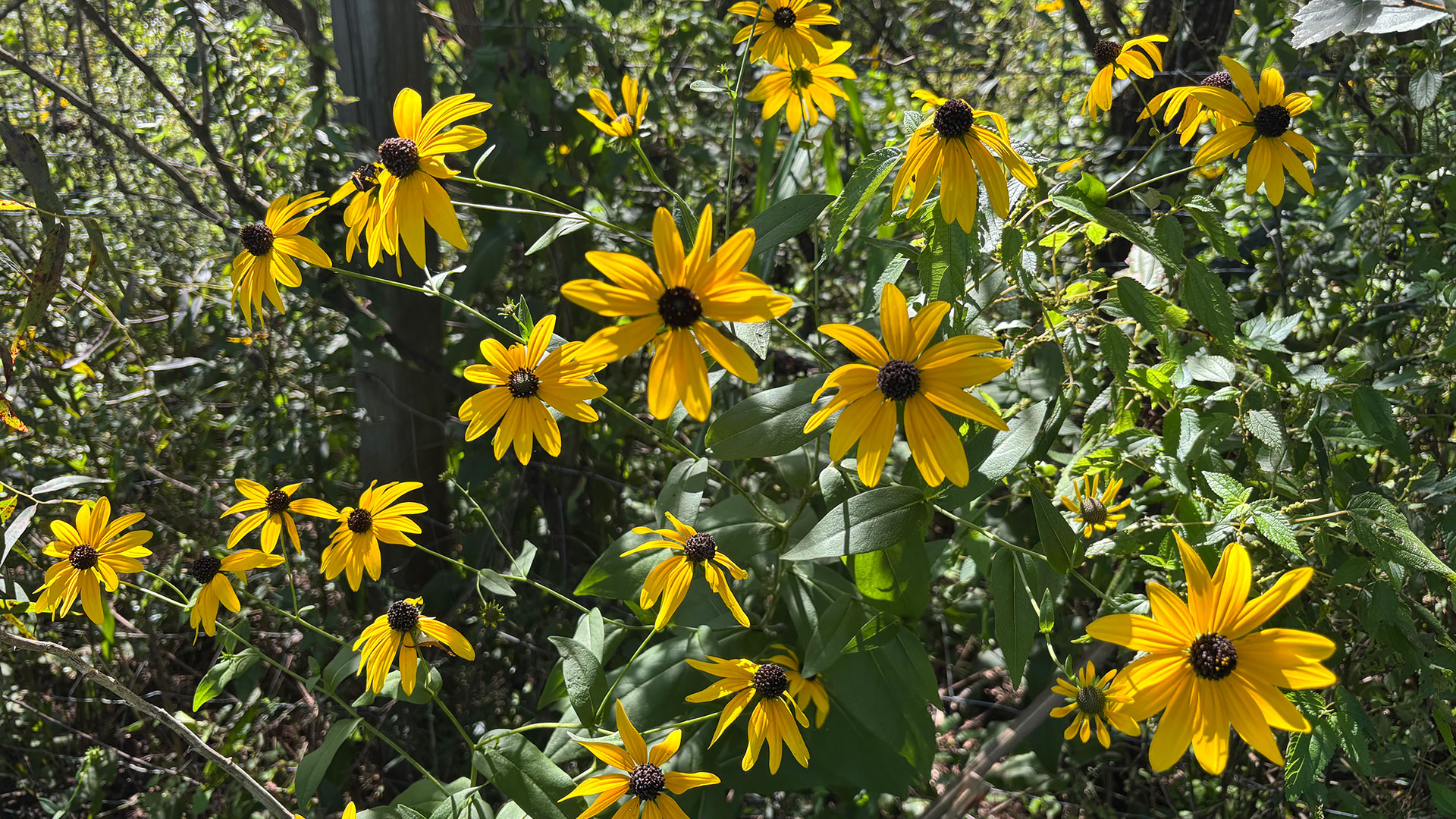
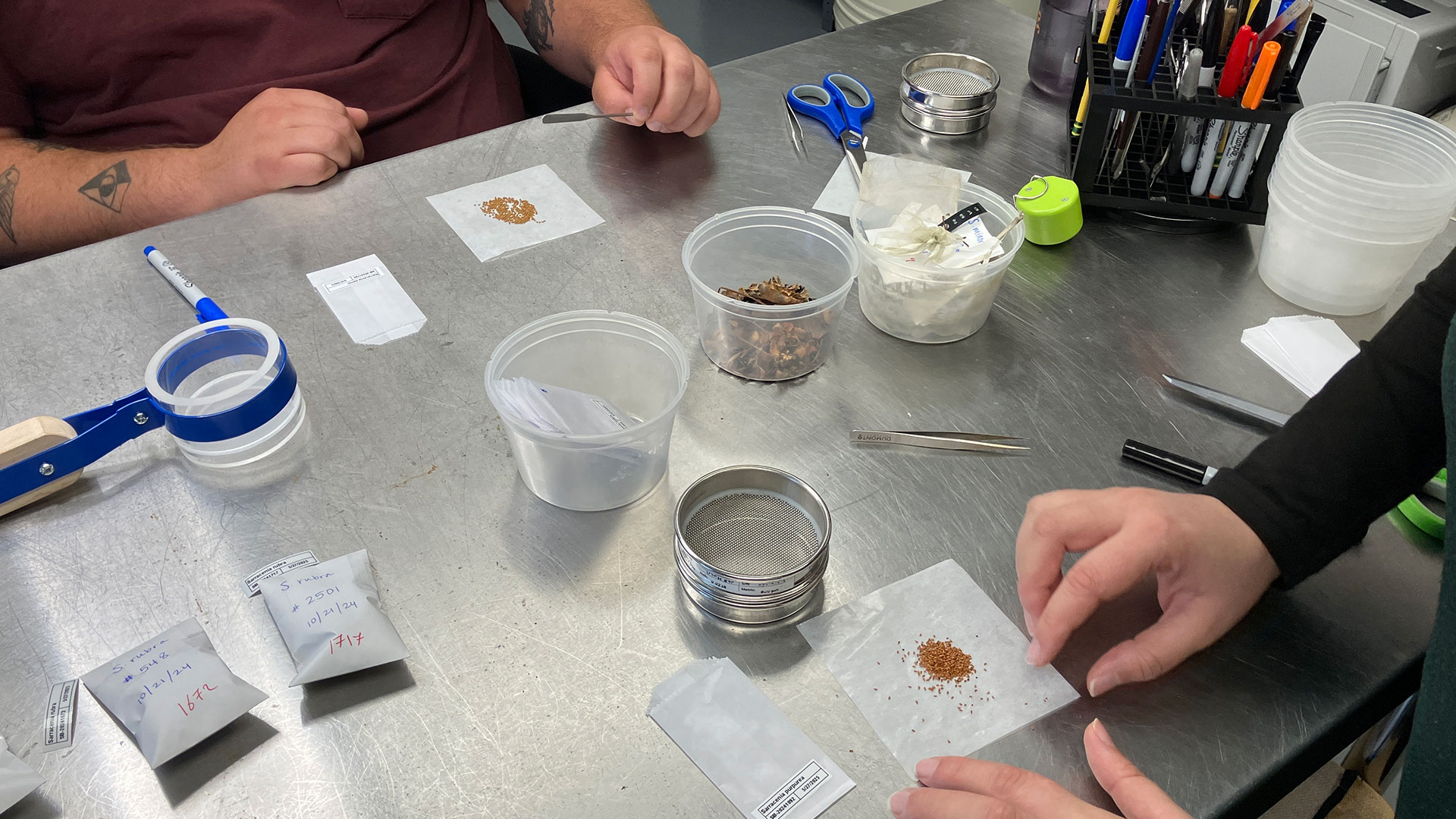
Coles and her team collected approximately 16,000 seeds from the Florida population and transferred them to the Atlanta Botanical Garden's conservation seed bank. There the seeds will be tested, cataloged and preserved as a safeguard against threats such as hurricanes, habitat loss, or population decline, in which case the seeds may be used to reestablish their populations.
Beyond preserving rare species, the discovery highlights the value of habitat management practices that create open, sunlit conditions. Much like northern bobwhite quail, swamp black-eyed Susan depends on disturbance to maintain suitable habitat. Prescribed fire, selective mowing, and other management practices that reduce woody encroachment can benefit both wildlife and rare plants.
"Many of the species that I work with have occurrences on lands that are managed for quail, because they are so often being burned regularly. Keeping those disturbance regimes active is so important for quail and for rare plants."
Coincidentally, Reynolds has documented bobwhite calls on the property through acoustic recording units deployed for the WLFW outcomes assessment, further demonstrating that good wildlife habitat can support all realms of life.
Looking forward, Reynolds hopes to work with the powerline company that manages the corridor to develop a management practices system that can keep the R. auriculata alive and thriving. This may involve reduced herbicide spraying or mowing around the time the flowers are blooming, allowing the plant to spread its seeds and reproduce.
"It's been super rewarding to find it (R. auriculata), but it will be even more rewarding if we're able to work with the powerline company to help us manage it and keep it going," Reynolds said.
This discovery illustrates how working lands can harbor remarkable biodiversity, even in unexpected places. With continued stewardship, this Florida population may help ensure the future of a species that has disappeared from much of its historic range.
Your cart is empty